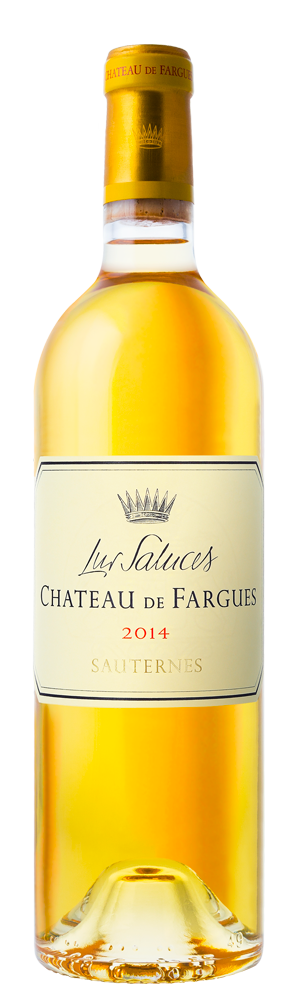

2014 VINTAGE
A wine of great aromatic power, incomparable density and tension.
WEATHER DURING THE GROWING SEASON
Winter was very mild - there was not a single day with frost – as well
as very wet: nearly 500 mm of rain between November and February.
Storms and high tides ravaged the coast, and the Garonne burst its
banks on the 26th of January. After the usual spring showers in March, bud break occurred starting on the 20th of that month.
However, cold nights in late April transformed the inflorescence of
some bunches into tendrils. There were alternating cool and stormy periods in May, and flowering began
on the 25th between showers and sunny spells. Mid-flowering took place in early June, followed by summer-like weather with stormy intervals. The vines grew quickly and it looked as though it would be an early harvest. However, this was not to be, since summer weather simply did not appear. A few grapes became overheated due to extremely hot temperatures on the 16th and 17th of July. The 104 mm of rain that fell month, and especially hail on the
25th, caused considerable damage. Cold, wet weather in August made us doubt that the grapes would ever ripen properly. While we were not troubled by mildew this
year, another pest gave rise to considerable worry in mid-August: vinegar flies that
cause sour rot. The hope for a large crop, after two years of very low yields, lessened
with each passing day.
With an average maximum temperature of 27°4 and not a drop of rain, September
weather enabled the grapes to ripen perfectly and stopped the proliferation of
vinegar flies. A first "tidying-up pass" in mid-September removed grapes affected by sour rot, but brought in only a very small amount of fruit. After some muchwelcome
rain from the 6th to the 16th of October, accompanied by temperatures 4°C greater than average, noble rot spread with lightning-quick speed. The beautiful, warm, sunny days with south and south-easterly winds were ideal for picking grapes in prime condition. One pass followed another, non-stop, from the 20th to
the 30th of October. The crop was small, but the must filled the cellar with magnificent fruity aromas.
HARVEST
After removing over half of all bunches due to the presence of sour rot, yields amounted to just 5 hectolitres per hectare. The new wine was put into barrels (40% new). Conditions in October were ideal for noble rot. The grapes retained good acidity and botrytis produced very pure and particularly fresh flavours. This crop of barely fifty barrels of wine features great aromatic complexity as well as the vivacious fruitiness typical of the most elegant vintages at Château de Fargues. 2014 Château de Fargues is tremendously fresh both on the nose and palate. The first impression on the nose is of just-pressed apples, apple and pear compote, poached pear, and a lovely hint of greengage. The bouquet goes on to reveal subtle floral overtones evocative of lily of the valley, accompanied by a whiff of sea breeze. As usual with young vintages of Château de Fargues, there is also a resinous component.
THE WINE
Surface area: 23ha80 Number of selections : 4 selections Fermentation : 3 to 4 weeks of fermentation Production : 10.000 bottles Vinification : 40% new wood and 60% wood one year and a half